Navigating Waste Regulations in West Palm Beach: A Quick Guide for Residents


Understanding waste regulations in West Palm Beach is essential for maintaining a clean and sustainable environment. These regulations ensure that waste is disposed of responsibly, reducing the environmental impact and promoting community health. This guide will help residents navigate the key aspects of waste management in the area.
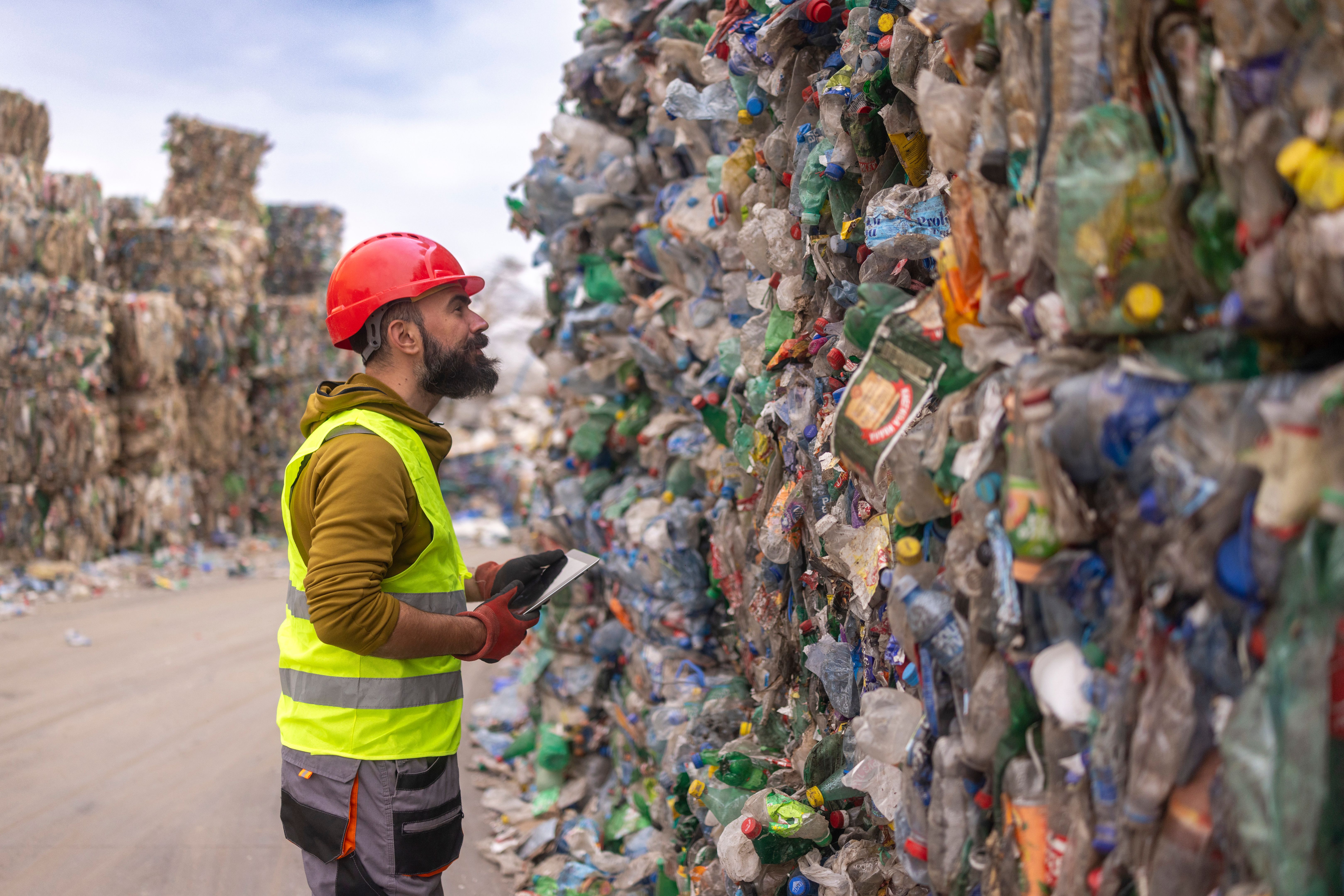
Types of Waste and Collection Schedules
West Palm Beach categorizes waste into several types: household garbage, recyclables, yard waste, and bulk waste. It's important to know the specific collection days for each type of waste to ensure timely disposal.
- Household Garbage: Collected twice a week.
- Recyclables: Collected once a week.
- Yard Waste: Collected once a week on a designated day.
- Bulk Waste: Requires scheduling for pick-up.
Recycling Guidelines
Recycling is a key component of waste management in West Palm Beach. Residents are encouraged to separate recyclables from regular trash to reduce landfill use. Acceptable recyclables include paper, cardboard, glass bottles, and certain plastics.

It's crucial to rinse containers and remove any food residue before placing them in the recycling bin. Contaminated recyclables may end up in landfills if not properly cleaned. Remember, recycling right helps the environment and supports the community's sustainability efforts.
Yard and Bulk Waste Disposal
Yard waste, such as grass clippings and branches, should be placed in biodegradable bags or containers. This helps in the efficient composting process. Bulk waste, including furniture and large appliances, requires scheduling for collection.

To schedule a bulk waste pick-up, residents can contact the city’s waste management department or use their online portal. Adhering to these guidelines ensures that waste is handled efficiently and responsibly.
Fines and Penalties
Non-compliance with waste regulations can result in fines. Improper disposal of hazardous materials, such as electronics and chemicals, is particularly frowned upon and can lead to significant penalties.
Residents are encouraged to utilize designated drop-off locations for hazardous waste to avoid fines and contribute to a safer environment. Staying informed and compliant not only saves money but also supports community wellbeing.